Travellers should familiarise themselves with our Peace of mind travel policy for Covid-19 as well as the terms and conditions applicable at the time of booking.

Small Group Walking Tour of New Zealand for seniors.

Odyssey Traveller is pleased to introduce our new small group walking tours of New Zealand for seniors and mature travellers, focusing on the spectacular scenery of the North and South Islands.

Our walking tour is for up to 10 people, typically mature and senior travellers joining as a couple or solo. These tours will guide you through New Zealand’s history, Maori culture, and landscapes, taking you off the beaten track into areas many visitors do not explore — away from the more popular routes like the Hollyford or Routeburn tracks.

For many visitors, the South Island gets most of the attention with Franz Josef Glacier, Milford Sound, Queenstown, and historic Christchurch. But the North Island also has much to offer, including the Bay of Islands, Poor Knights Islands, White Island, Waiheke Island, the bird sanctuary of Tiritiri Matangi, Art Deco Hawke’s Bay, alpine Tongariro, and the Waitomo glowworm caves.

This small group walking holiday is limited to 10 people, though it can be booked as a private group with a minimum of 4 travellers.

Our hiking tours involve walking 8–20 km per day, combining short walks with moderate hikes in a variety of landscapes. A reasonable level of fitness is required, and we provide guidance to help you prepare for the tour.

The arrival of Europeans, mostly British settlers, set in motion a co-existence with the Maori people, who were already adapted to New Zealand’s diverse environments and climates — from the subtropical north to the alpine south. Our route follows this story, heading north from Auckland to the Bay of Islands, then south through Auckland to Tongariro National Park. Here, you will enjoy the Tongariro Alpine Crossing, a full-day adventure through volcanic peaks and stunning landscapes.

New Zealand (Maori: Aotearoa) is an island country in the southwestern Pacific Ocean, with a total land area of 268,000 km² (103,500 sq mi). It consists of two main islands — the North Island (Te Ika-a-Māui) and the South Island (Te Waipounamu) — plus around 600 smaller islands.

This small group tour is led by an Odyssey tour guide and supported by local experts who share their knowledge about the history, culture, and landscapes of each area. Tours are designed for mature and senior travellers, with groups typically ranging from 6 to 12 people, and this tour limited to 10 travellers.

For all the articles Odyssey Traveller has published for mature aged and senior travellers, click through on this link .

Articles

Women's walking shoes

Women’s Walking Shoes: The Definitive Guide

6 mins read

Choosing the Right Walking Shoes: Advice for Women For women, especially older adults, choosing the right walking shoes has repercussions beyond fashion. A study in 2005 showed that “incorrectly fitting footwear is common in older…

Affordable small group tours with Odyssey Alumni

Walking tours for active travellers – tips for seniors

For the active mature and senior traveller be they a couple or solo traveller this article outlines preparation for walking tours even for the over 80's. It may on the Wainwright, the lake district or a pilgrims walk across Europe or St James Way, the Camino. This artices give advice on getting fit, shoes and socks including for particular advice for women on this topic.

Queenstown, Otago, New Zealand

Queenstown, New Zealand

2 mins read New Zealand

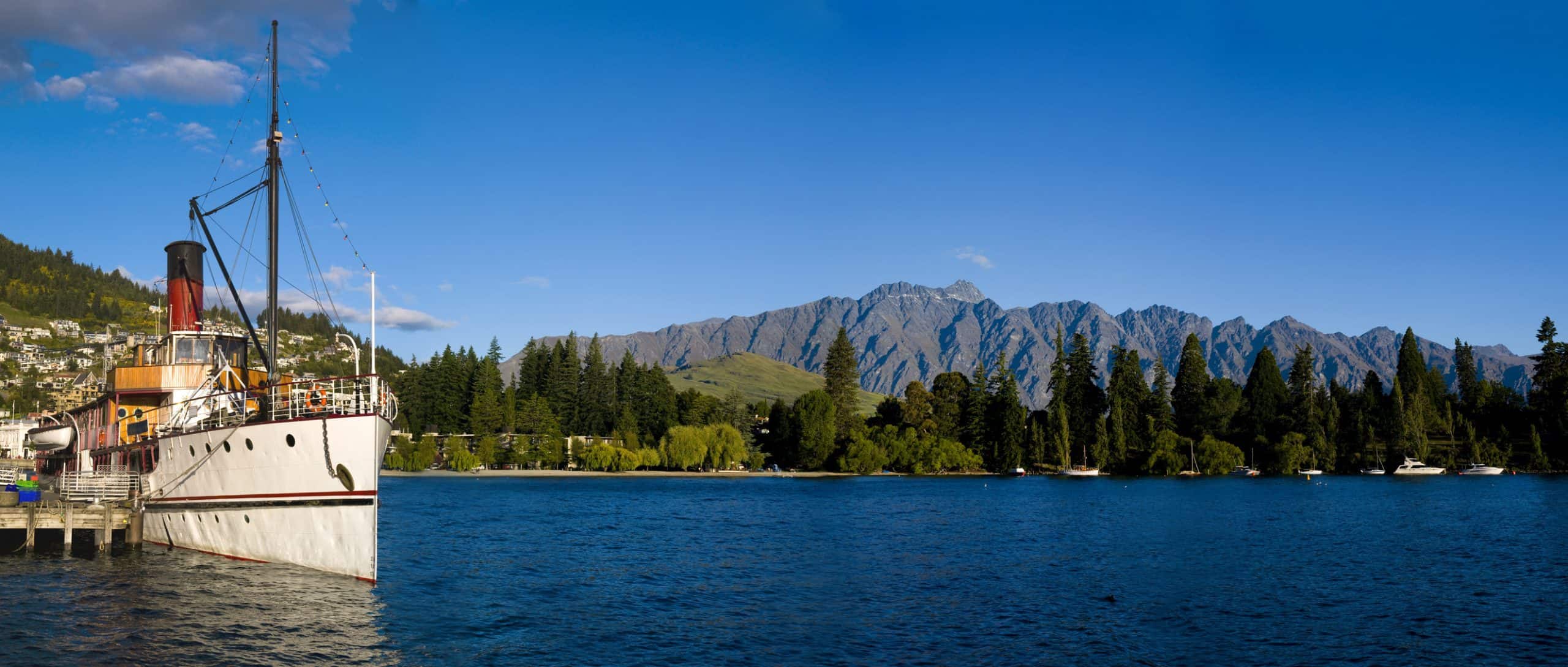
Queenstown is a resort town on the South Island of New Zealand. Built on the lakeshore of Lake Wakatipu, the town provides amazing views having the Remarkables Mountain Range as its background.

Golestan Palace,Tehran, Iran

10 books about Iran

2 mins read Middle EastIran

Ten books to read about Iran Throughout history, Iran’s position in the centre of the famous Silk Road has seen it crisscrossed by travellers, traders and armies.  In more recent times, its rich oil resources…

FAQs

While the South Island gets most of the attention thanks to Franz Josef Glacier, Milford Sound, Queenstown, Christchurch and more, the North Island has just as much to offer. You can learn about the volcanic and geothermal activity of the island and the Maori culture. Destinations worth a visit are the beautiful Bay of Islands and Cape Reinga up north with the Waitangi treaty grounds, Auckland and its volcanic islands, such as Waiheke Island and Rangitoto Island, Rotorua, Tongariro, the Waitomo glowworm caves, the Coromandel Peninsula, Bay of Plenty, Hawke’s Bay and Wellington.

Some of the main cities of the North Island are Auckland, Wellington, Hamilton, Tauranga, Napier, Rotorua, Hastings and Gisborne.

Maui is a very important demigod in the Maori mythology. One day he overheard his four brothers that they wanted to leave him behind while going fishing. Maui made a fishhook from a magical ancestral jawbone and hid in the brothers’ canoe. When they were far out on the sea, Maui revealed himself, and threw the magical fishhook in the sea while chanting powerful incantations. The hook caught fast, and with the help of his brothers Maui brought the fish to the surface. He then begged them to wait until he had appeased to Tangaroa, the god of the sea, but the brothers did not listen and started to carve out pieces for themselves, forming the many mountains, valleys, lakes, rivers and coastlines of the island.

If you want to cross from the North to the South Island, you either have to fly or take the ferry across the Cook Strait. The Interislander ferry operates between Wellington and Picton since 1962, and it takes about 3-3.5 hours to complete the crossing. The ferry route is one of the great journeys of New Zealand. On your journey, marvel at the beauty of Marlborough Sounds, the north coast of the South Island, which is made up of 1500 kilometres of sunken river valleys.

The South Island. The North Island’s area is 113,729 square kilometres (43,911 sq mi), making it the world’s 14th largest island. With 150,437 square kilometres (58,084 sq mi), the South Island is the 12th largest.

The population of New Zealand is around 4.9 million people, and according to the latest census, 76% lives on the North Island, equalling about 3.7 million people, while the South Island accounts for 23%, and the rest of the 600 islands for 1%. This means the North Island is the smaller but more populous island between the two main islands.

Initially Pakeha (European New Zealanders) settled on the South Island, and it wasn’t until 1911 that the population of the North Island overtook the South Island (56% vs 44%). The drift north still continues, with Auckland, the biggest economic hub of the country being the main driver of the change.

New Zealand is home to some of the world’s most spectacular scenery, and there’s no better way to explore than by walking. Walking tours get you away from freeways, cities, and suburbs and into the heart of the pristine wilderness of New Zealand.

New Zealand offers a range of walks and hikes for different fitness levels, spanning from easy beach walks to the nine Great Walks, multi-day treks through some of the country’s most spectacular scenery.

Essentials include hat, sunscreen, comfortable walking shoes, warm clothing, a water bottle and a camera! For more suggestions, take a look at our list of things to bring on an Odyssey walking tour.

We also have a number of packing guides:


Our walking tours of New Zealand are rated as Level 3 – Moderate to Challenging on our fitness scale. For more information on our fitness levels click here.

Our Level 3 guidelines suggest that:

Participants must be in excellent health, extremely mobile and live an active lifestyle. Program activities may include up to 6 hours of continuous strenuous, moderate-to-fast paced activities per day on varied terrain.

If you enjoy the many outdoor activities available, such as hiking and mountain biking, you should visit New Zealand during the summer months of December to March, which brings long, bright and sunny days and temperatures of 16°C to 24°C. If you are a winter sports fan, you should visit from June to the first week in October, Though temperatures in the mountains are cold; once you get away from there, the winters are relatively short and mild.

There are many stunning glaciers in New Zealand. There are few places in the world you can easily access glaciers at low altitudes and New Zealand is one of them. There are over 3,000 glaciers in New Zealand. The South Island’s West Coast is home to New Zealand’s two most famous glaciersFox and Franz Josef. It’s an easy walk to the terminal faces of both glaciers. Or, if you’re adventurous, then a helicopter ride or a guided ice walk are simply unforgettable experiences.

On the other side of the Southern Alps, the Tasman Glacier is the largest in New Zealand. The Tasman Glacier has a beautiful terminal lake. It’s a short walk to view the glacier.

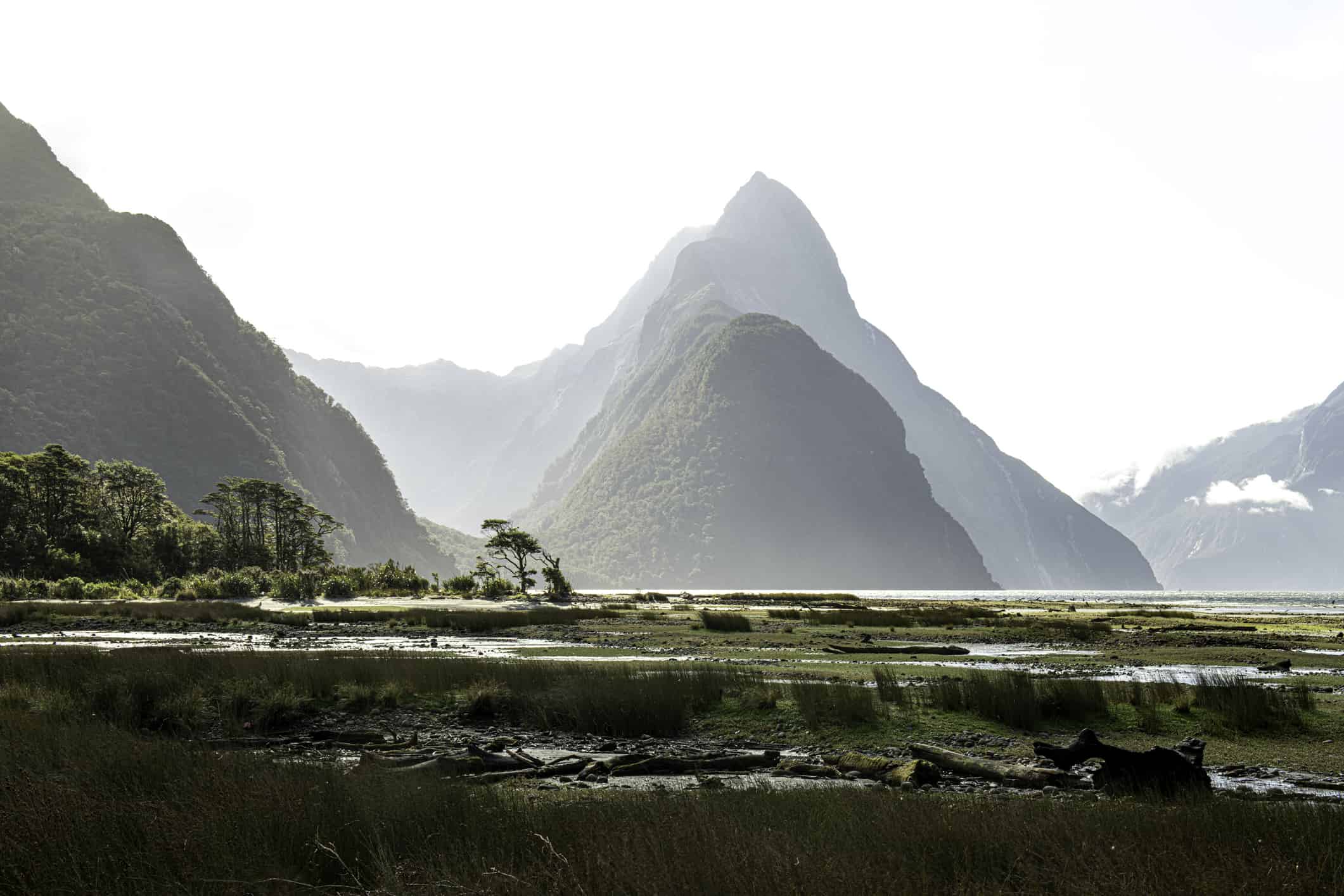
Both Milford and Doubtful Sound are located in Fiordland National Park on New Zealand’s South Island. Milford Sound sits to the north of Fiordland and is the last fiord in the national park. Doubtful Sound, on the other hand, is located much further south and is roughly in the middle of Fiordland National Park. Milford Sound is easily the most visited place in Fiordland National Park and arguably the most beautiful and offers the widest range of experiences out of the two fiords. This makes Milford an easy front runner for those who love to personalize their experience and make it one the whole family will love. Doubtful Sound is a rather untouched paradise that’s off the beaten path. It’s an adventurous journey and one you’ll share with fewer people.

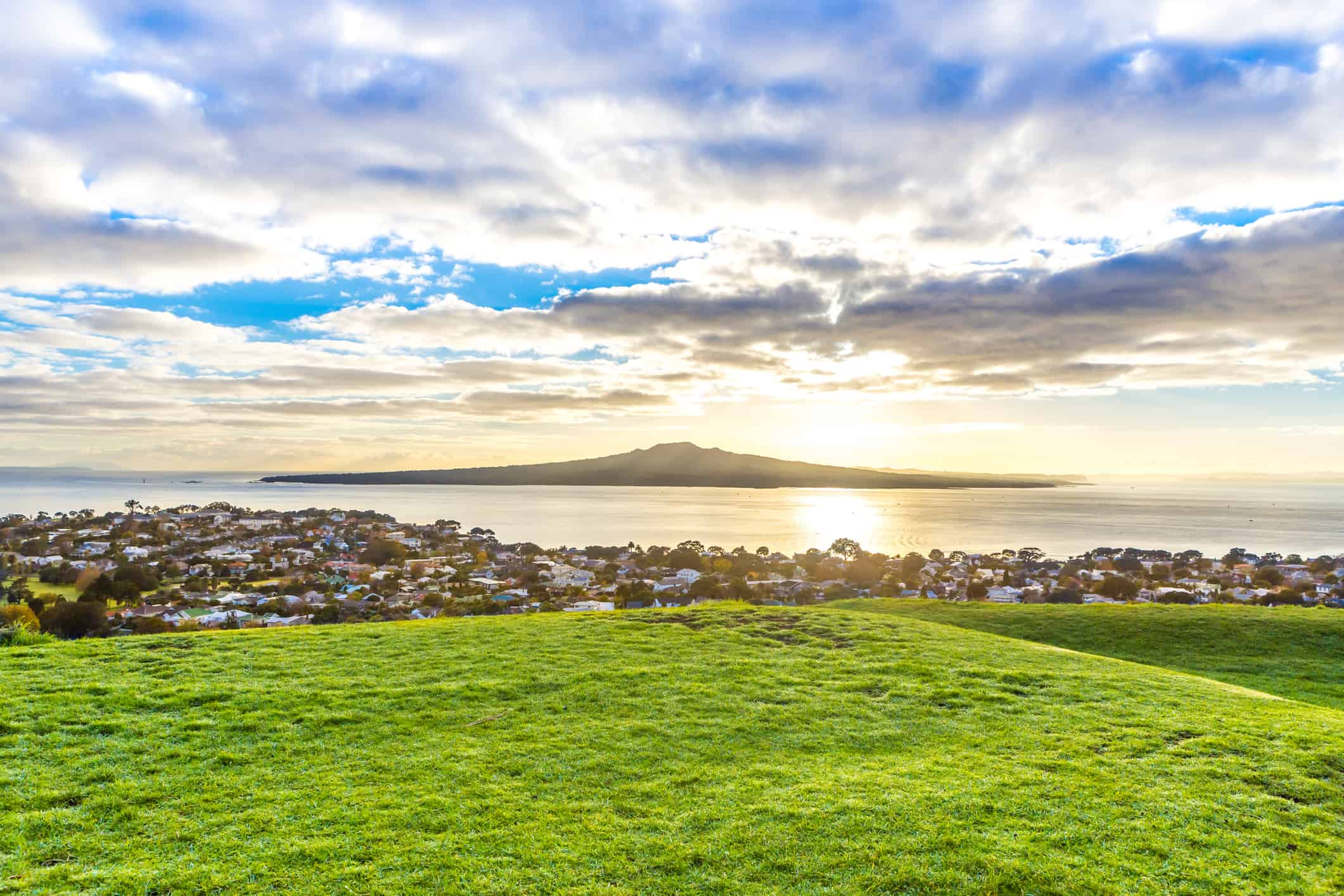
Auckland is a bustling urban city, that also offers beautiful lush native rainforests, golden sand beaches, rolling hills of wine country, hiking trails, picturesque country gardens, unspoilt forest and tranquil bays to explore. Auckland region is dotted with 48 volcanic cones which provide spectacular panoramic views of the city and harbour. Auckland is also famous for its shopping, nightlife and diverse range of cafes and restaurants. Don’t forget to go north to visit the amazing Bay of IslandsThe Bay of Islands consists of 144 islands between Cape Brett and the Purerua Peninsula.

Wellington is a small and creative city with a mix of culture, history, nature and cuisine and surrounded by nature.

There are many museums, art galleries and theatre shows that make up the city’s pulsing cultural scene. If you’re into the outdoors, you can relax at Oriental Bay, Wellington’s golden-sand inner-city beach and delve into the Wellington has action-packed adventure activities like mountain biking and sea-water kayaking, as well as beautiful walks around the harbour and surrounding hills. Try the visually Ride the cable

New Zealand’s national museum, or Te Papa, as it’s colloquially known, means ‘our place’ and is one of the best interactive museums in the world.

Rotorua is renowned for its geothermal activity and Maori culture. In Te Puia’s Whakarewarewa Valley, there are bubbling mud pools and the 30m-tall Pohutu Geyser, which erupts many times daily. It’s also home to a living Maori village and the New Zealand Maori Arts and Crafts Institute. Besides exploring the geothermal hot pools, you can:

  • Ride world-class mountain bike trails.
  • Swim in natural hot springs.
  • Walk among natural springs and river trails.

Christchurch, known for its English heritage, is the most walkable city in New Zealand. The city is constantly evolving, always giving locals and visitors something new to explore. After the devastating earthquakes in 2011, Christchurch was rebuilt as a more creative and funky urban centre. Wander through the streets admiring the colourful murals that tell stories of the city’s resilience and indomitable spirit.

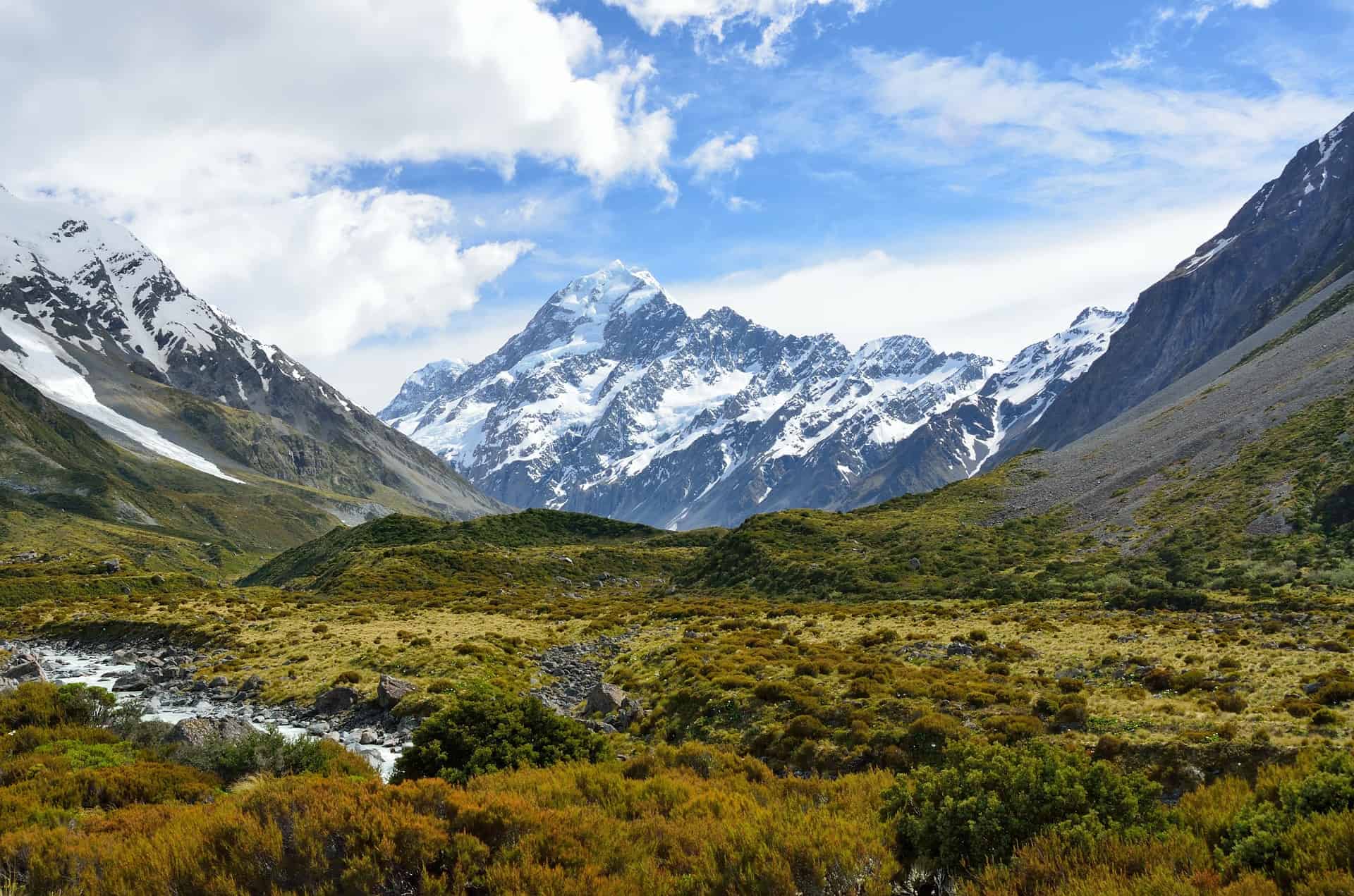
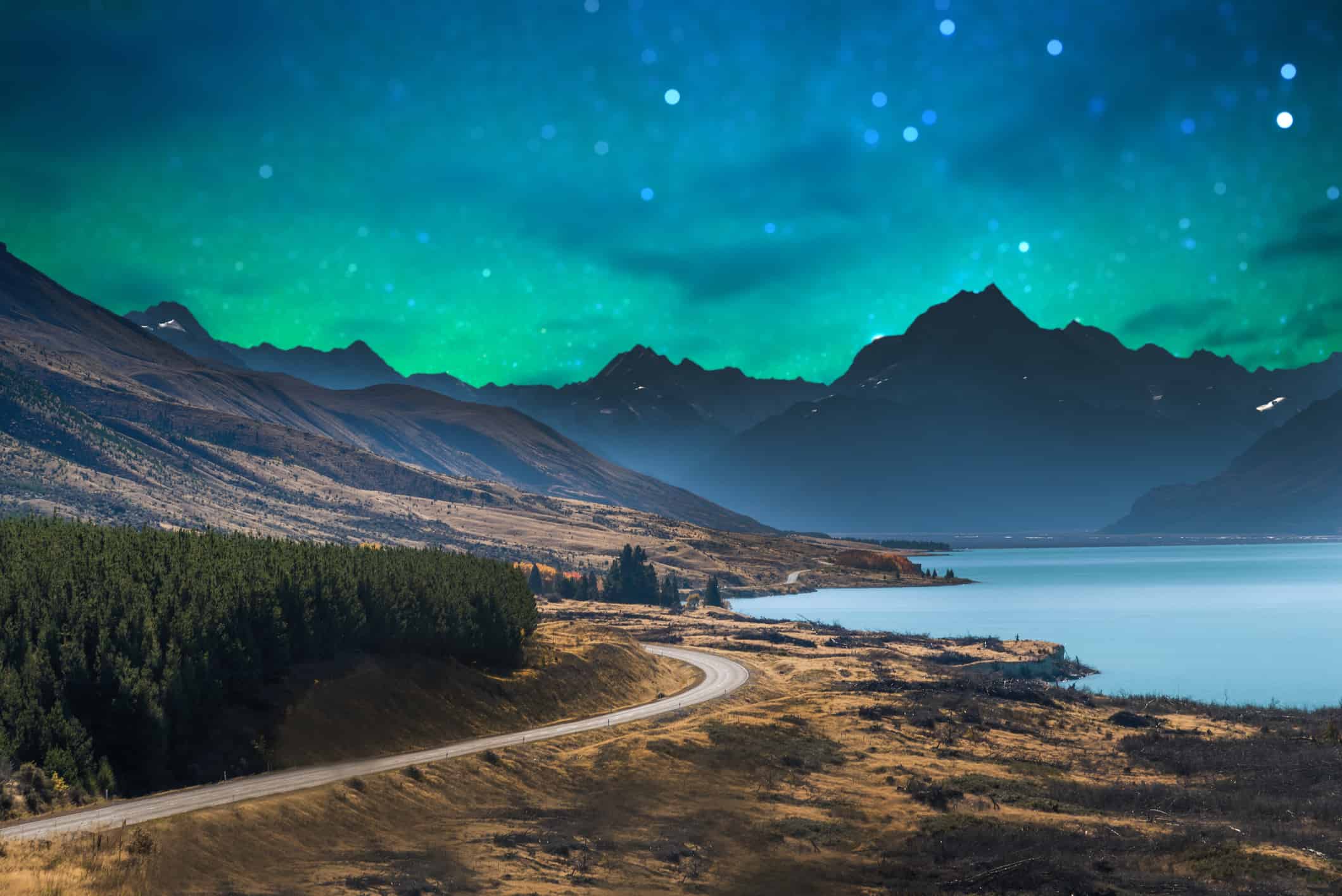
The Hooker Valley Track, in Aoraki/Mount Cook National Park, is one of the finest half-day walks in the region. You’ll get to spot the peak of New Zealand’s tallest mountain, Mount Cook, across a glacial lake scattered with icebergs.

Visit Castle Hill, 80min north-west of Christchurch, famous for beautiful landscapes and being declared by the Dalai Lama as a ‘spiritual centre of the universe”.

Take a day trip to Kaikoura, 180 km north of Christchurch, many New Zealanders number one most beautiful place in their country.

You should plan to spend around NZ$185 ($129) per day on your vacation in New Zealand, which is the average daily price based on the expenses of other visitors. Past travellers have spent, on average, NZ$41 ($29) on meals for one day and NZ$27 ($19) on local transportation.

Queenstown is famous for offering adventure and adrenaline. Surrounded by towering mountains, positioned on the edge of a lake,

Queenstown sits on the shore of Lake Wakatipu among dramatic alpine ranges.

There’s skiing from winter right through to spring, and activities such as bungy jumping, sky diving, canyon swinging, jet boating, horse trekking and river rafting all year round.

If hardcore adventure isn’t your thing, there are plenty of mellow options available. Experience one of the many walkin


PDF of Tour

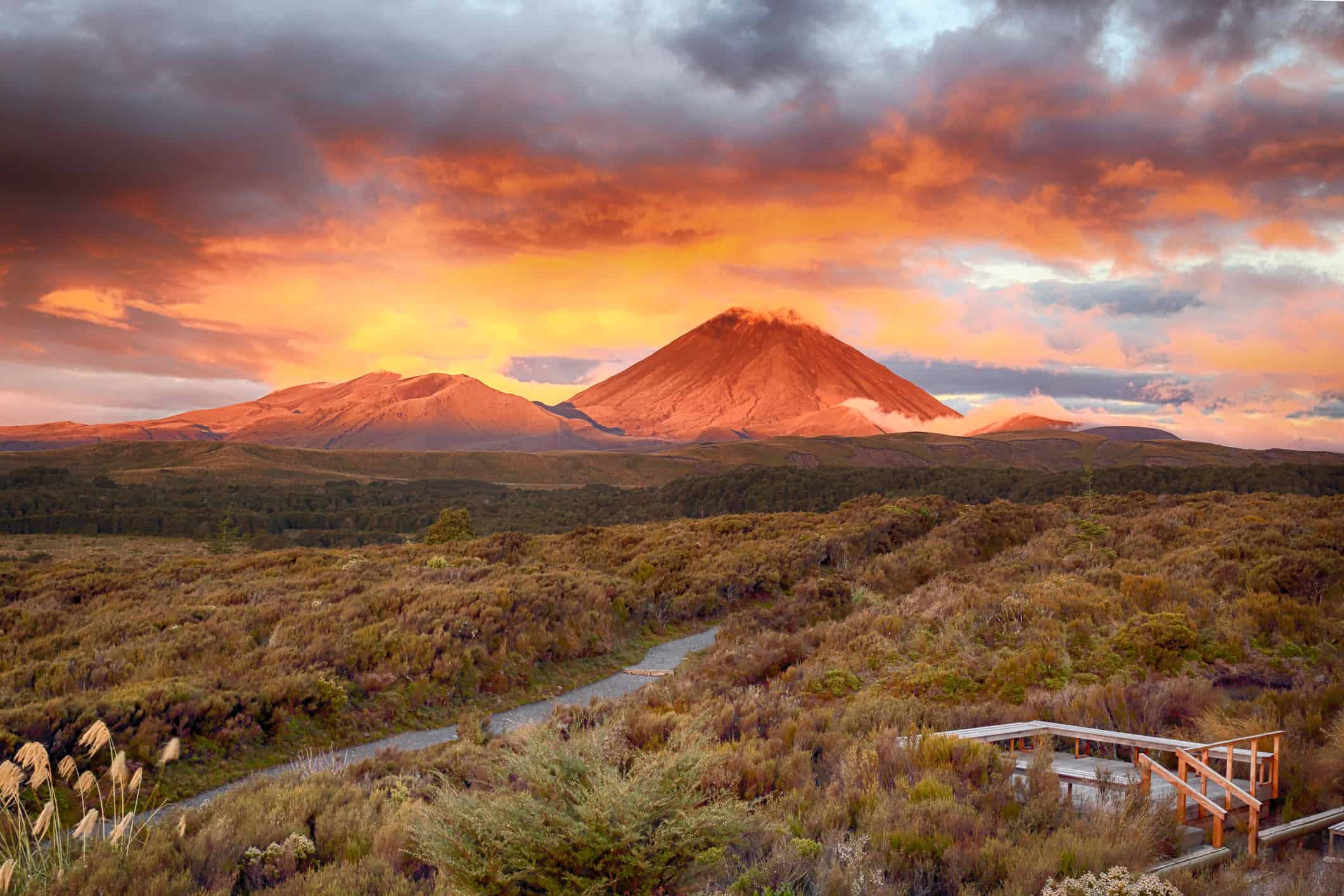
Sunset at Mt.Ngauruho, New Zealand Walking tour
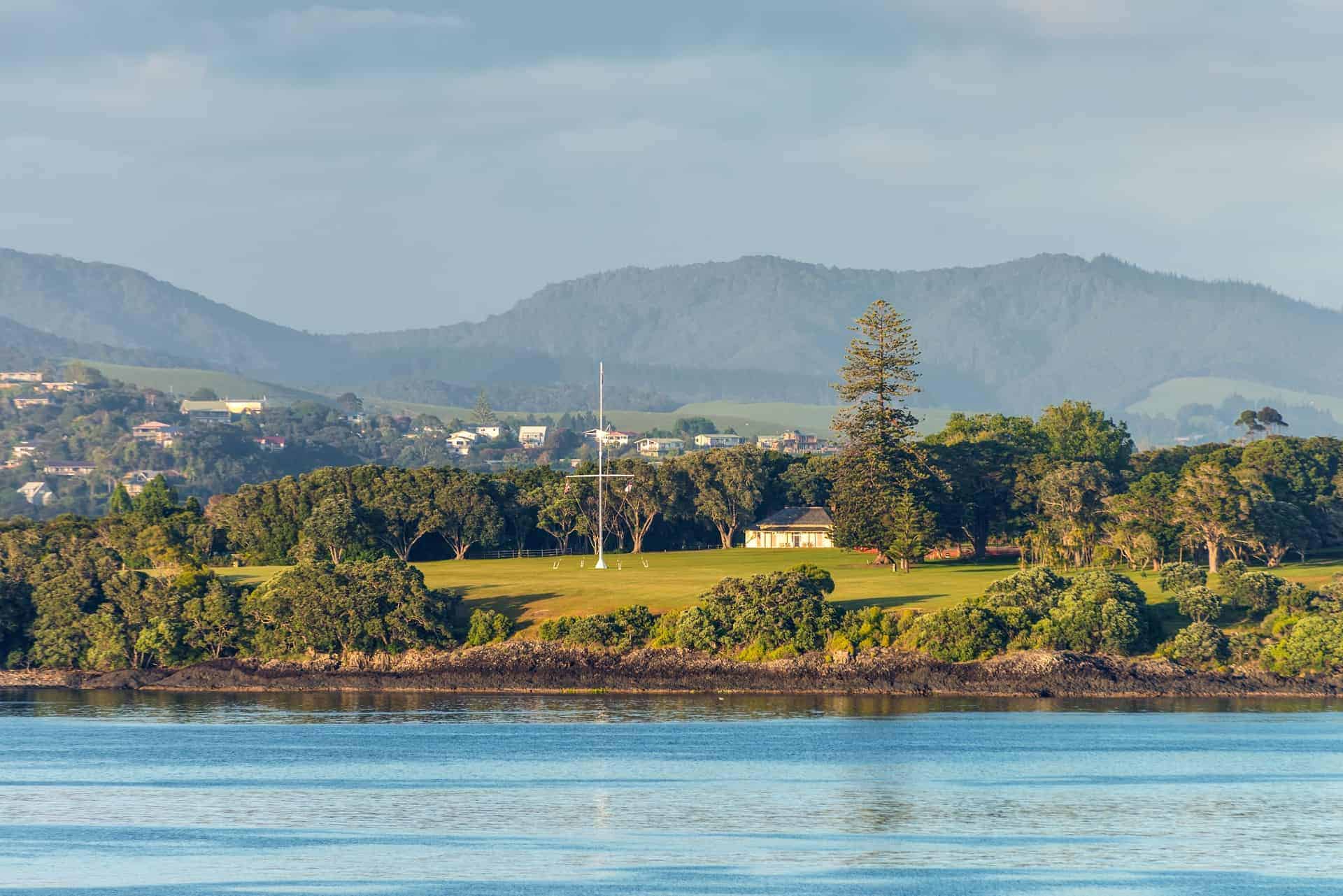
waitangi treaty grounds
Skyline complex, Queenstown, Otago, New Zealand
TSS Earnslaw on Lake Wakatipu, Queenstown, Otago, New Zealand
Queenstown, Otago, New Zealand
Panoramic view nature landscape in queen town remarkable and arrowtown south island New Zealand Walking tour
Te Anau, New Zealand
Milford Sound fjord and Mitre Peak at low tide
Rangitoto Island, Auckland, New Zealand
Panoramic nature landscape in south island New Zealand with milky way, Wanaka, walking tour