History of Pakistan
Pakistan, a young nation created with the partition of British India in 1947, is intertwined with the history of India and the broader Indian subcontinent.
Travellers should familiarise themselves with our Peace of mind travel policy for Covid-19 as well as the terms and conditions applicable at the time of booking.
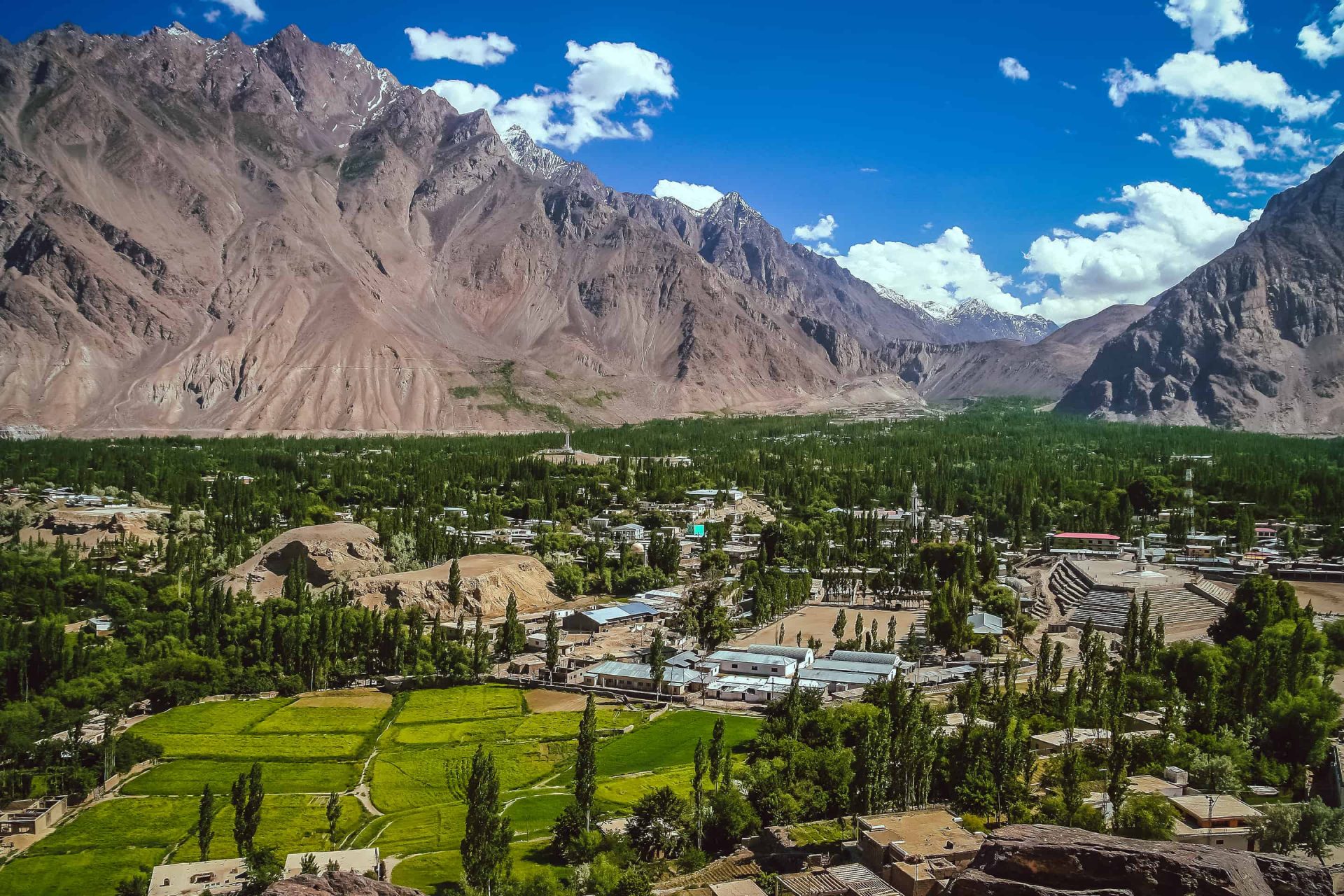
Join Odyssey Traveller as we travel to Pakistan, exploring the long history and colourful culture of this amazing country. A small group tour of up to 16 travellers exploring off the beaten path. A tour for mature and senior travellers, travelling as a couple or as a solo traveller. This 22-day tour begins much like our 16-day tour of Pakistan, with a six-day extension that allows us to further explore the northern parts of the country. The focus of the final six days of the tour is the region of Gilgit-Baltistan, located near the Pakistani border with China. The region's central valley, Skardu Valley, shares similarities in culture, lifestyle, and architecture with Tibet. Three mountain ranges meet in this region--the Karakoram, the Himalaya, and the Hindu Kush--and promises majestic views to the adventurous senior or mature-aged traveller.
We begin in Karachi, Pakistan's largest city, and end in its vibrant capital, Islamabad. Our small group tour travels from the south, on the coast of the Arabian sea, and weaves north to the scenic Skardu Valley, a popular gateway to the mountain ranges and utopia for hikers, trekkers, and travellers. Along the way, we visit ancient ruins, medieval capitals, and Pakistan's pre-Muslim temples in Thatta, Hyderabad, Larkana, Lahore, and Peshawar.
This tour is composed of leisurely drives with frequent stops to places of interest along the way, allowing us to experience and learn about various sights at our own pace. Similar to other Odyssey tours, the group will be fully escorted by an Odyssey Program Leader and various local Pakistani guides who will share their knowledge about the ancient cities and monuments we will be visiting.
The history of Pakistan, a young nation created with the partition of British India in 1947, is intertwined with the history of India and the broader Indian subcontinent. Pakistan was carved away from the rest of India by Islamic nationalists led by Muhammad Ali Jinnah, who believed India's Muslims would only receive just representation in Hindu-dominated India if they formed their own country.
Prior to the 1947 partition, Pakistan's history was India's history. The subcontinent was home to one of the oldest and most influential human civilisations, the Indus civilisation (also known as Harappan civilisation), an urban culture that dated from 2500 BC and declined around the 2nd millennium BC.
The most well-known period in the subcontinent's history was the rule of the Mughal Empire from the 16th to the mid-19th century. An immensely successful Muslim empire of Turkic-Mongol origin, its rulers controlled the entire subcontinent of India and reached a population of 100 million at its peak. Though a Muslim dynasty that ruled over a Hindu majority, their overall commitment to religious freedom ensured peace in the subcontinent for two centuries. Shah Jahan was an avid supporter of art and architecture, and his monuments (such as the Taj Mahal in India and his palace complex in Lahore, Pakistan) are still admired today.
The last Mughal, Bahādur Shah II, reigned from 1837 to 1857, and was exiled by the British to Myanmar for his role in the Indian Mutiny of 1857 against British rule. Several wars were fought in India at the end of the Mughal empire's reign as the subcontinent transitioned into a British colony, with the British using the reach of their Calcutta-based British East India Company and exclusive trade rights to further their control.
India became a colony in 1858. British India ended with independence in 1947. The Hindu-Muslim conflict led to a bloody civil war in the subcontinent, which led to the birth of a new nation called Pakistan ("pure land" or "land of the pure").
From 1947 to 1971, Pakistan was divided further into two: West Pakistan and East Pakistan. Following years of internal conflict, East Pakistan declared its independence in 1971 as the nation of Bangladesh, and West Pakistan became modern-day Pakistan.
This tour is designed to give travellers who are open to a unique Pakistan travel experience and adventure to have a deeper understanding of the history and culture of Pakistan. On this tour we will visit the two major cities of the Indus civilisation. Mohenjo-Daro ("Mound of the Dead Men") was built around 2500 BC, a major city contemporaneous with ancient Egypt and Minoan Crete. The original name of the city remains unknown. Harappa is second only in size to Mohenj0-Daro, and we will marvel at the level of urban planning on display in both archaeological sites. We will also visit Harappa's local railway station, notable for being built during the British era with the millennia-old bricks from Harappa.
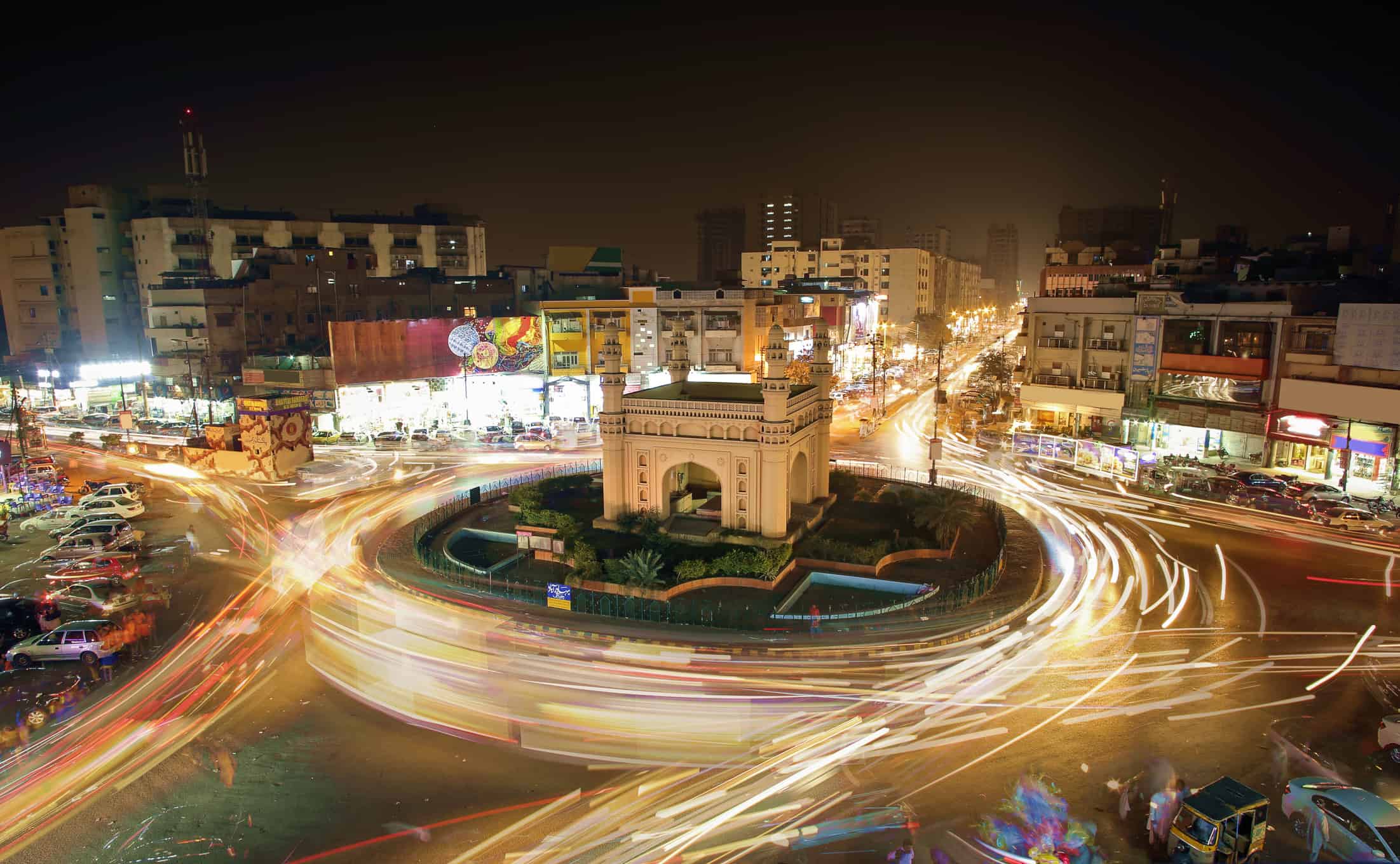
We will have a city tour of Karachi, including a visit to the Jinnah Mausoleum, the final resting place of Muhammad Ali Jinnah and an iconic symbol of Karachi.
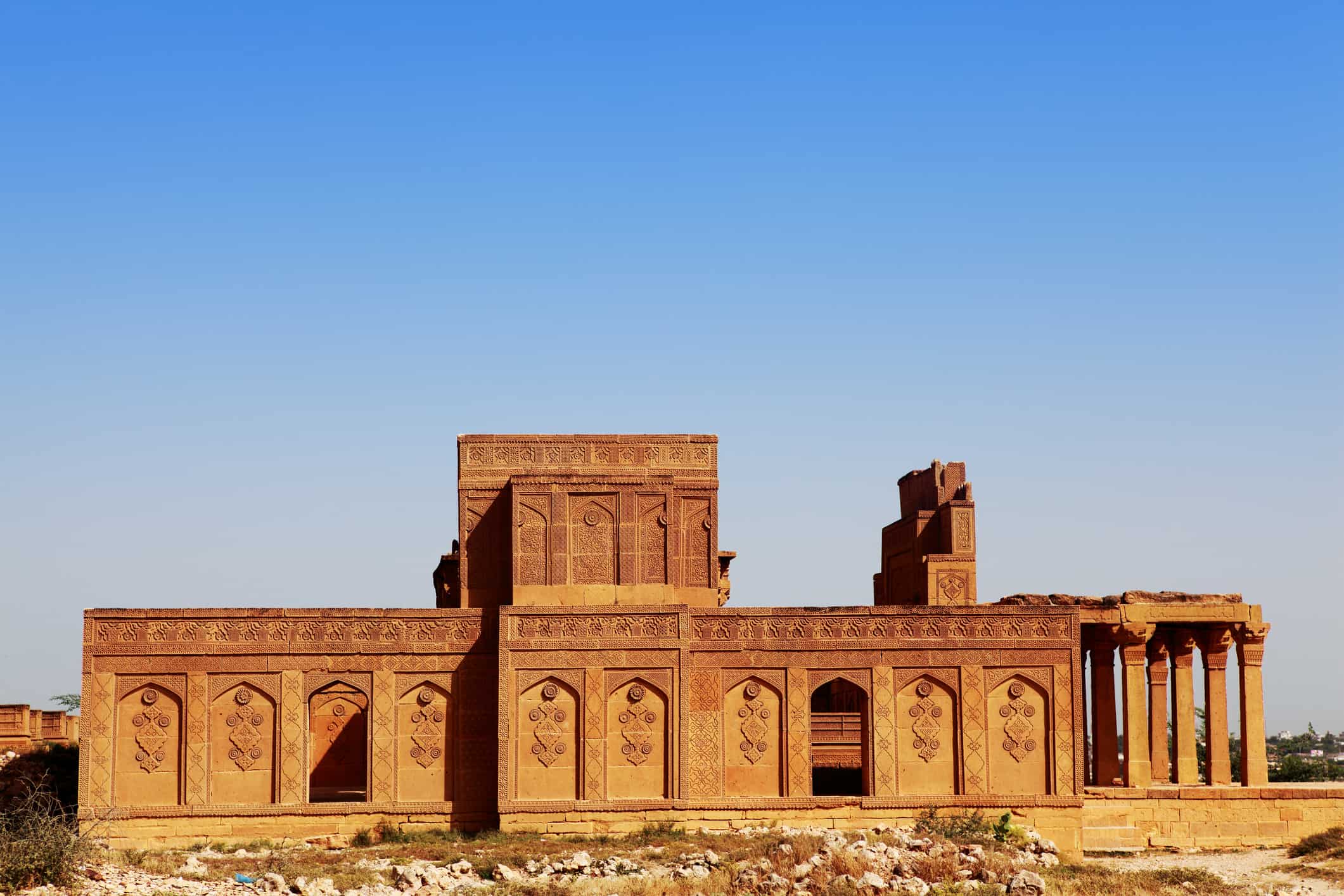
We continue further to the medieval capital of Thatta, later ruled by the Mughal emperors and site of incredible monuments. We visit nearby Makli Hills, one of the largest funerary sites in the world. A UNESCO World Heritage Site, the necropolis covers an area of 10 square kilometres. It is home to various monumental tombs from different dynastic periods, and a site showcasing evolving funerary architecture.
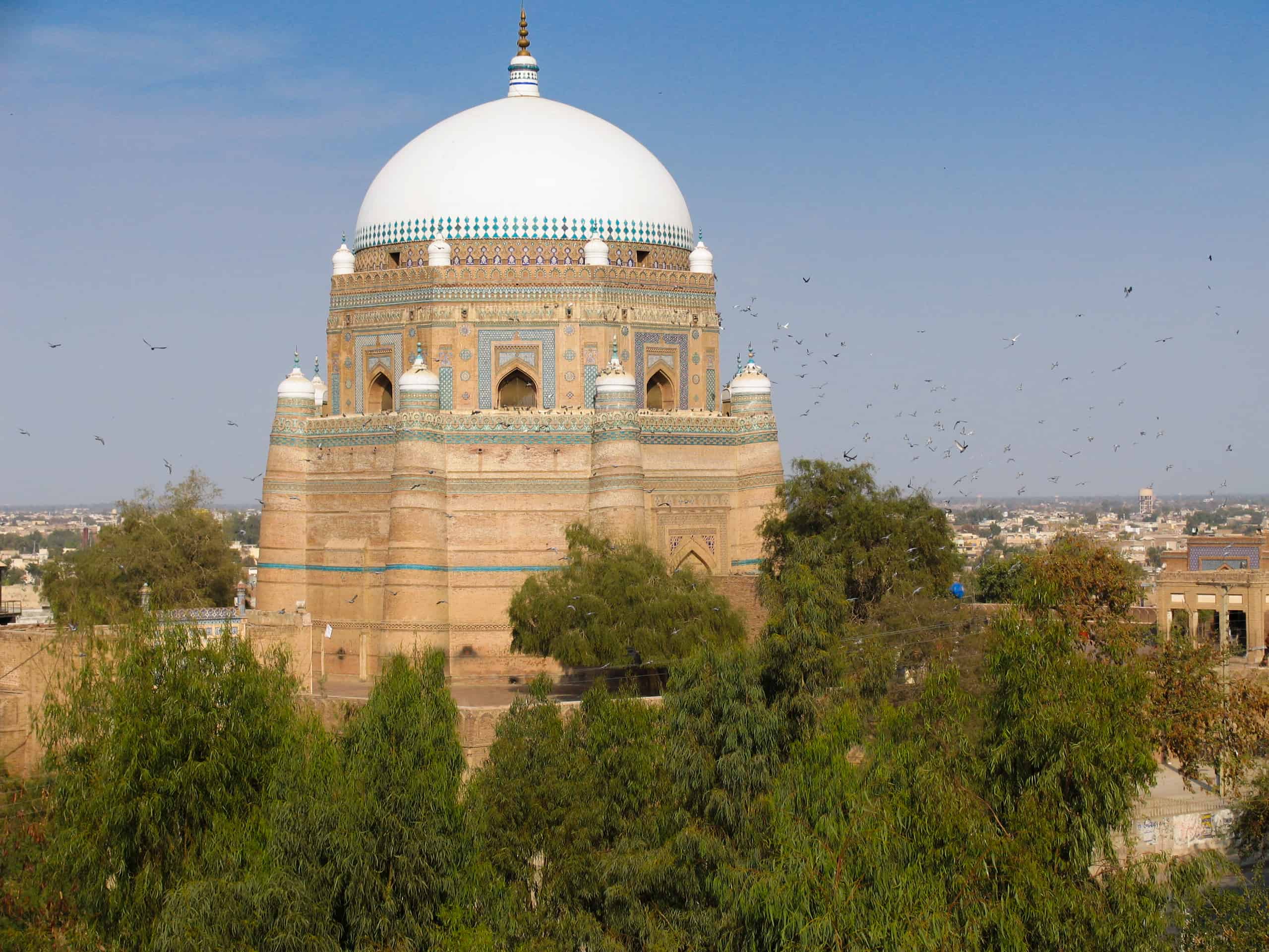
We will also be visiting the mausoleums and shrine complexes of Sufi saints, which feature pre-Mughal architecture. Sufism is a mystical form of Islam that focuses on an inward search for God and tolerance. Members of the two main Muslim sects--Sunni and Shi'a--may incorporate elements of Sufism.
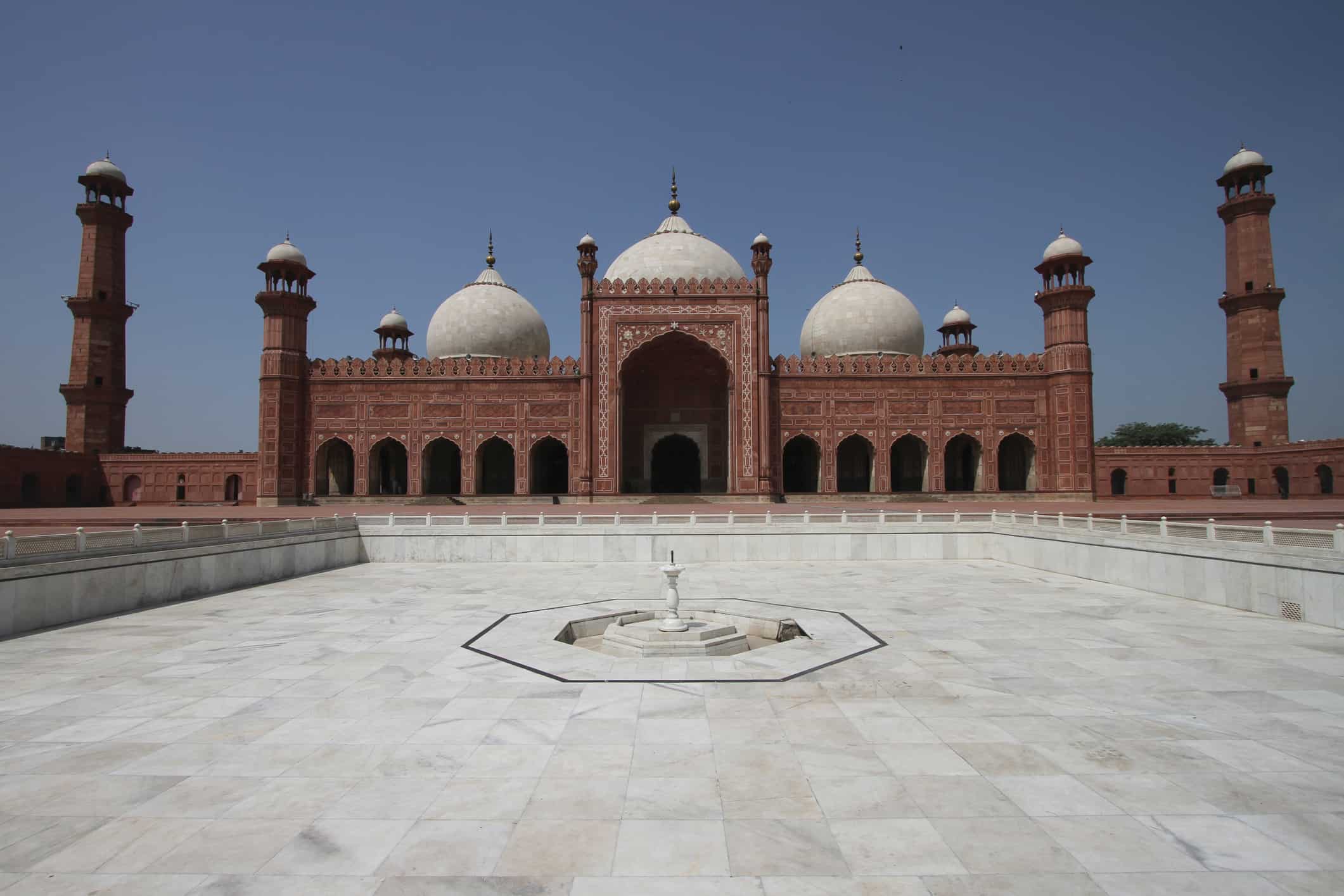
In Lahore, we will see the sights of this great Mughal city. Little is known of the city of Lahore prior to the Muslim period, but it undoubtedly reached its golden age under the Mughal dynasty when it became the place of royal residence.
The city of Peshawar (pesh awar, “frontier town”) was once the capital of the ancient Buddhist kingdom of Gandhara. We will see various Gandharan sculptures in the Peshawar Museum before proceeding to the historic Qissa Kwani Bazaar ("Storytellers' Bazaar").
Before we finish the tour in the capital city of Islamabad, we will spend time in Pakistan's Swat Valley, which has undergone an incredible transformation from a militant stronghold to a hub of tourism in Pakistan, with its snow-capped peaks and steady stream of tourists. We move further north to explore the Gilgit-Baltistan region, with its breathtaking views of mountain ranges and valleys.
We will also be exploring lively bazaars and scenic landscapes reminiscent of the Arabian Nights.
Our small group travel in Pakistan promises to be the adventure of a lifetime.
For more details, click the ‘Top 5’ or ‘Itinerary’ buttons above! If you’re keen to experience this tour, please call or send an email. Or, to book, simply fill in the form on the right-hand side of this page.
The following list of articles published by Odyssey Traveller for mature aged and senior travellers to maximise their knowledge and enjoyment of Pakistan when visiting:
The following tours may also be of interest:
See our other tours of Asia. Odyssey also has more information about Pakistan.
Pakistan, a young nation created with the partition of British India in 1947, is intertwined with the history of India and the broader Indian subcontinent.

Lahore Fort is the main attraction in Lahore's old walled city, housing the marble palaces, mosques, and lush gardens from the city's golden age under the Mughal dynasty, when Lahore became the place of royal…

The Skardu Valley is located in Gilgit-Baltistan in Pakistan, on the Indus River which separates the Karakoram range from the Himalayas.

The Wazir Khan Mosque in Lahore, Pakistan, is said to be the most beautiful and most ornately decorated Mughal-era mosque.





Mongolia is a relatively unexplored country for travellers but it has many diverse landscapes to explore, and interesting cultures to become acquainted with, all existing in a country with few cities and towns but with extensive rural lands that remain the domain of nomadic herders. Small group tour for couples or solo travelers
A small group tour of Sri Lanka for mature couples and solo travellers is a great introduction to the trading history of the world and “Spice” The centre of the island offers rolling hills, year round cool climate and former British colonial hill stations complete with Tudor hotels, rose gardens and the oldest golf course in Asia. Scattered around the country are National Parks filled with game. The world’s first game reserves were founded in Sri Lanka over 2,000 years ago.
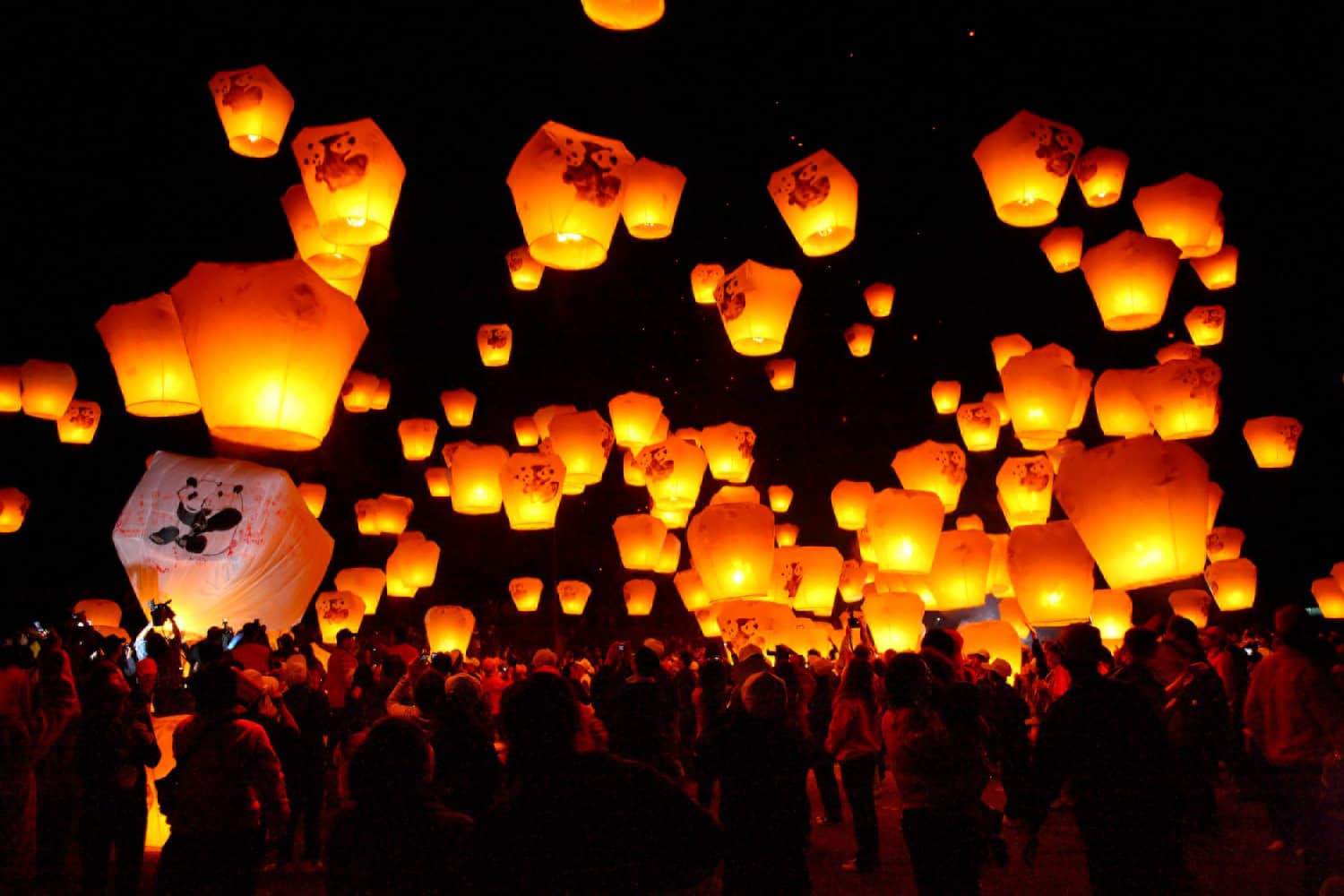
A small-group tour designed for senior couples and solo travellers to Taiwan. Timed to coincide with the Lantern Festival, held annually on the first full moon of the lunar calendar, this journey highlights one of the world’s most enchanting celebrations. Among the festival’s many events is the Pingxi Sky Lantern Festival, where thousands of glowing lanterns are released into the night sky.
Our Taiwan Lantern Festival program also explores Taipei, including the iconic Taipei 101 Tower, while giving travelers the chance to experience both the city’s modern highlights and its festive traditions.