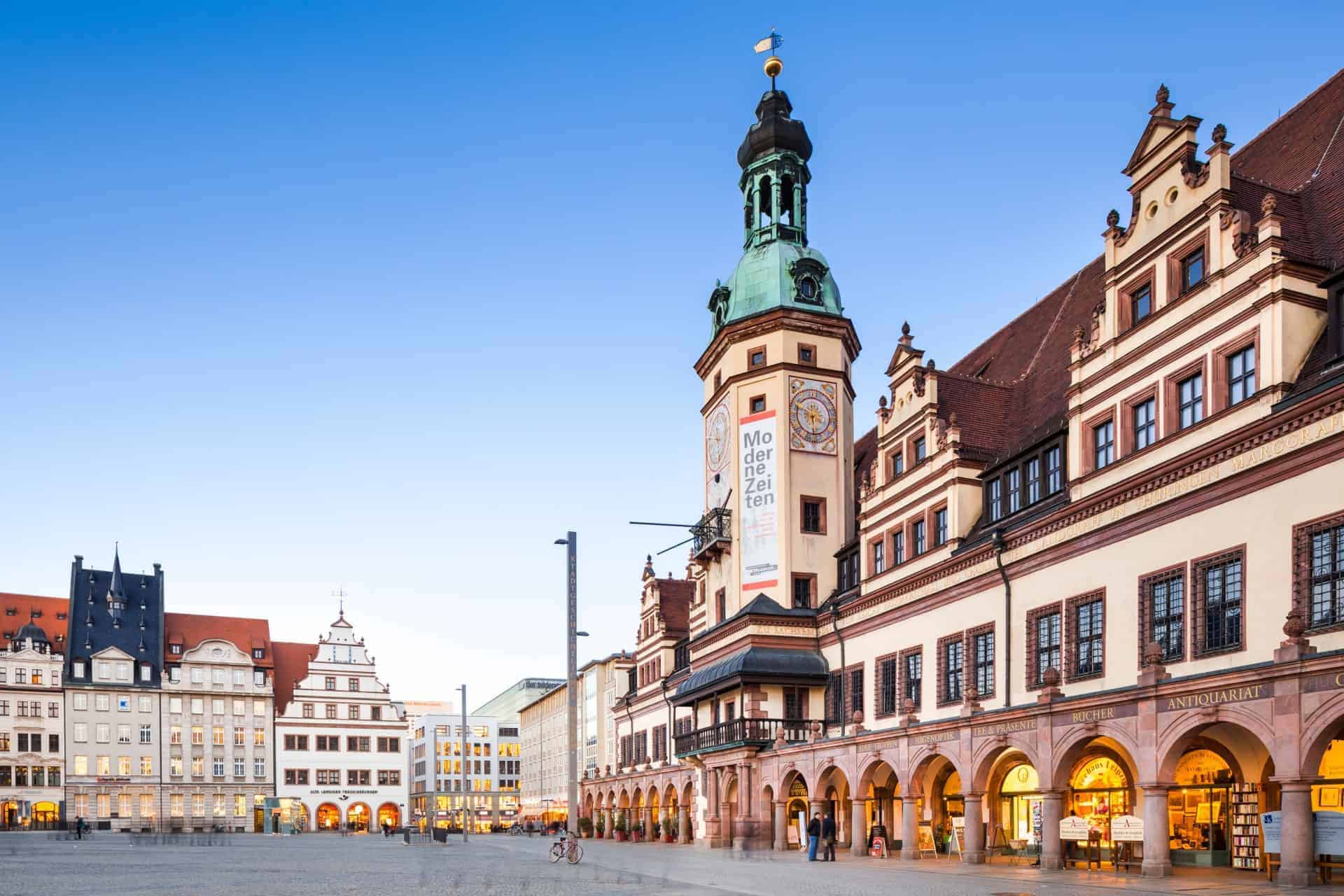
Leipzig, Germany
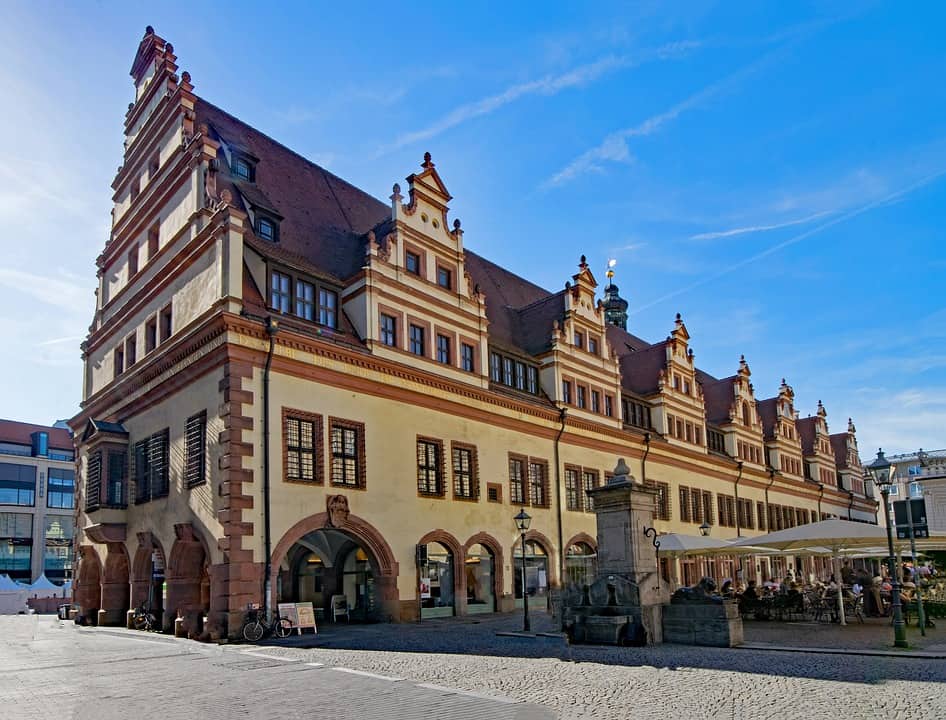
Leipzig, encircled by a ring of parks and gardens, the city is a major industrial centre and buzzing with life. It has long been regarded as a major intellectual and cultural centre, known since the…
Travellers should familiarise themselves with our Peace of mind travel policy for Covid-19 as well as the terms and conditions applicable at the time of booking.
Odyssey offers easy, convenient, and relaxed escorted across Western Europe and beyond. Join us as we explore Austria and Germany's rich cultural and musical heritage across Vienna, Munich, Bayreuth, Leipzig, and Dresden, as well as daytrips to nearby towns and villages. Each location offers a unique glimpse into Europe’s imperial heritage, World Heritage sites, and truly breath-taking landscapes, with the highlight being Vienna’s renowned opera scene. This and more is all waiting to be explored on one of Odyssey’s small group music tours of Austria and Germany, designed for the senior traveller and led by experienced and enthusiastic guides who share a passion for music and history.
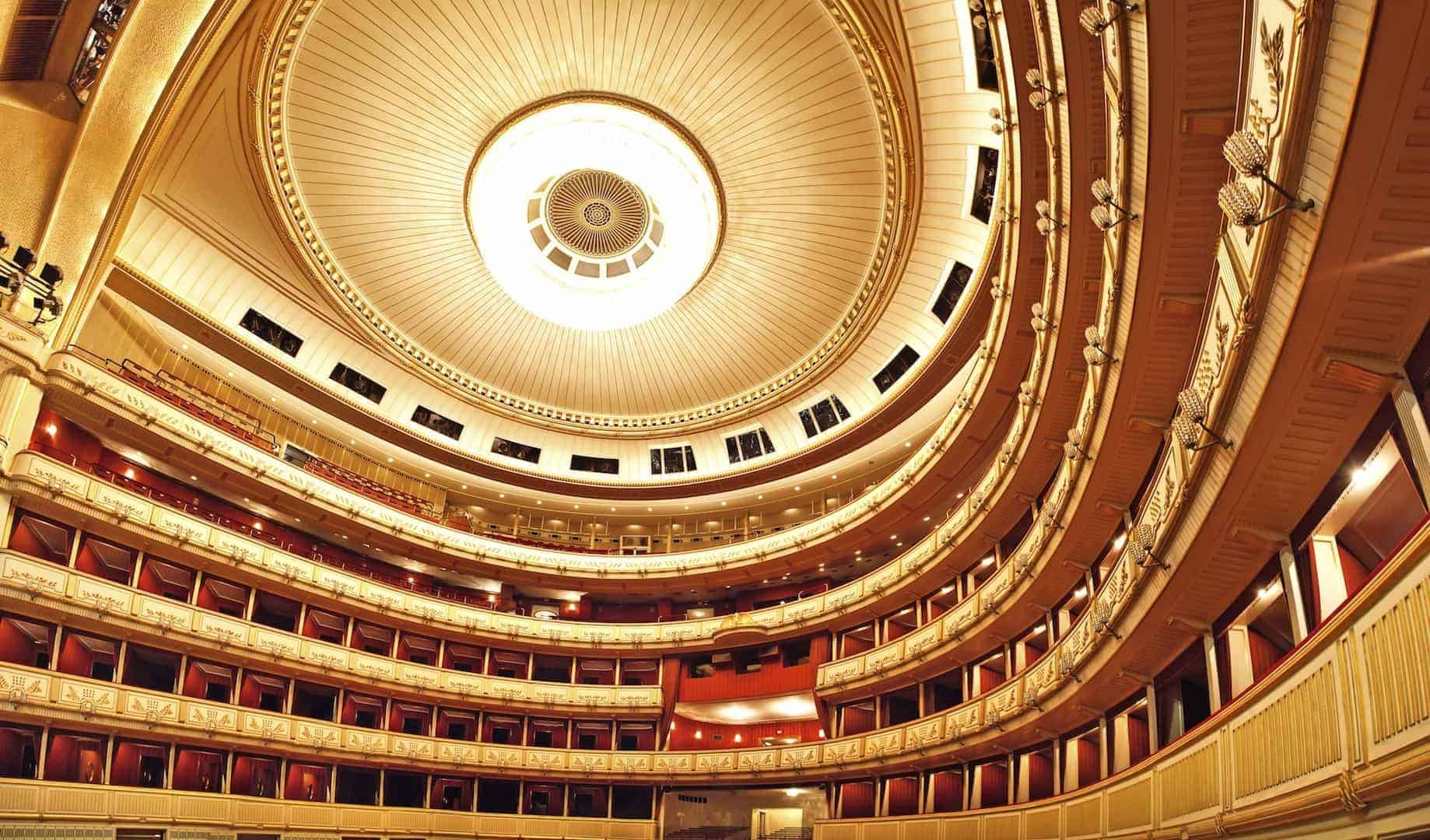
Richard or ("The of the "), is a cycle of four German-language epic dramas based loosely on characters from the Norse sagas and the epic poem . Odyssey Traveller's 20-day Tour gives you the opportunity to see the extraordinary grand operas performed in the world capital of classical music, Vienna. Here world-class venues and orchestras bring Wagner's visionary work to life, providing an unparalleled atmosphere that enhances the drama and intensity of this masterpiece, making for a truly unforgettable experience for any music lover. Vienna’s abundant tradition of music, opera, and art provides a vivid setting, with the city’s classical architecture, grand palaces, and renowned art collections enriching the experience along the way.
Of course, there was more to Wagner than the romantic, thrilling notes of his operas. The man himself lived a passionate life, which was characterised by turbulent love affairs, financial scandal and a period of political exile. In this unique tour, we will not just experience this incredible operatic story, but we will also learn more about Wagner's life and the influences of culture and family on his music, and about other musical greats who worked and lived in these cities.
is for a maximum of 12 mature and senior travellers on a small group tour, either as couples or solo, accompanied to the by a tour director to guide you through .
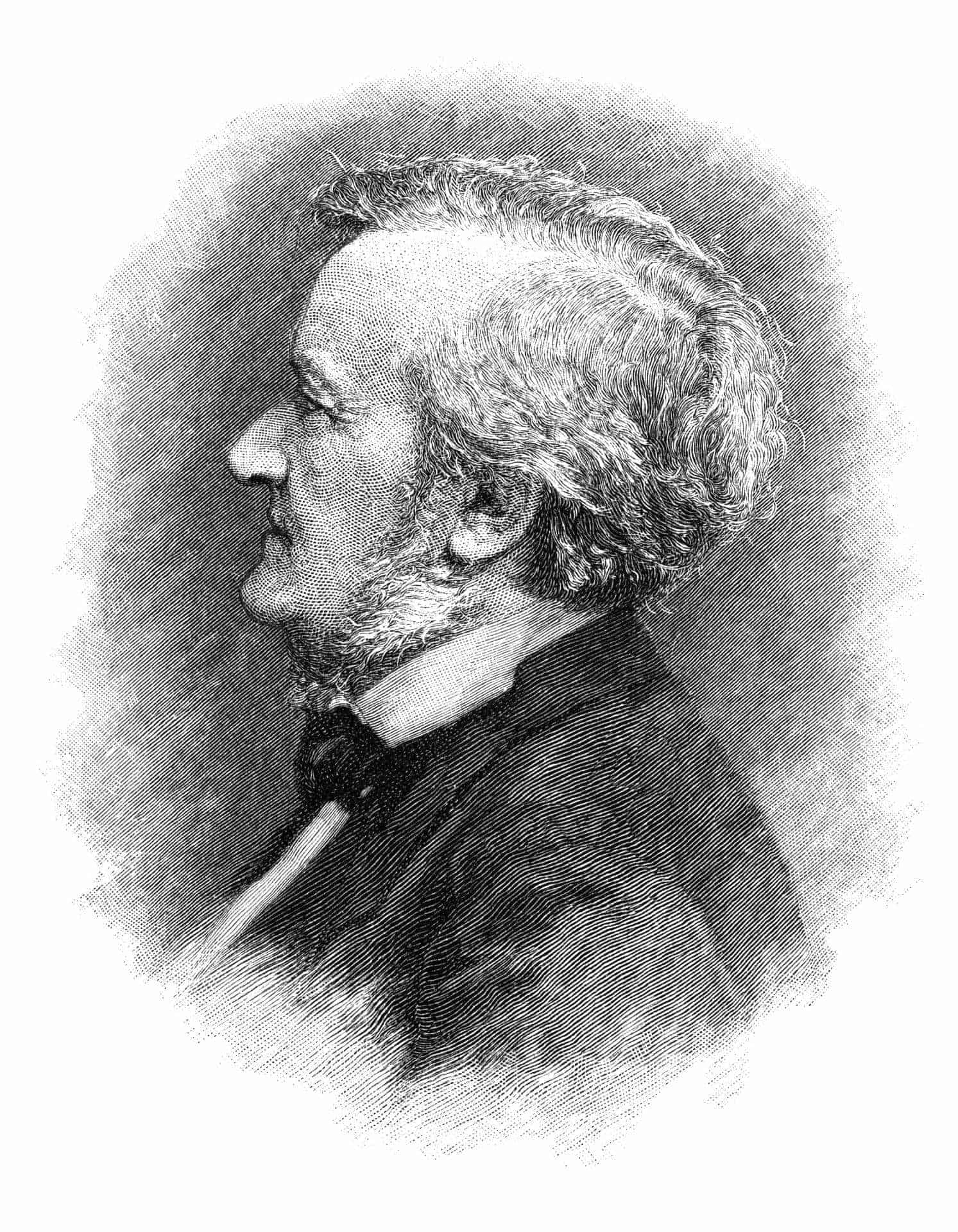
German composer Wilhelm Richard Wagner (1813-1833) is sometimes described as having marked the start of modern music. Technically and artistically innovative, Wagner's work is classical music at its most emotionally intense and deeply introspective, reflecting both the broader political struggles of the Romantic era and the turbulent personal life of the composer.
In the 19th century, most operas were designed by a separate composer, who wrote the music, and librettist, who wrote the accompanying lyrics. Wagner was unique in writing both libretto and music, fusing the two into a singular artistic vision of poetry, music, visuals and drama, which he called Gesamtkuntswerk, or "total work of art". He is also known for the use of leitmotifs (from the German, Leitmotive, literally “leading motives”) or distinct musical phrases that were associated with particular characters, places, or elements of plot.
Wagner's work was inspired by the political ferment that surrounded him. Prior to German unification in 1871, Europe's German-speaking regions were divided into hundreds of kingdoms, duchies, bishoprics, and independent cities and towns. Through the 19th century, poets and thinkers - including Wagner - were inspired by the Romantic idea of a unified Germany. Summing up his passionate commitment to the idea of a united Germany, Wagner would write of his return to Dresden after a period in Paris: 'For the first time I saw the Rhine - with hot tears in my eyes I, poor artist, swore fidelity to my German fatherland.'
Wagner's political and artistic ideas were synthesised in his Ring Cycle masterpiece, the collective name for his cycle of four operas. Wagner began to compose the cycle in exile in Zurich, Switzerland, where had been forced to flee due to his involvement in the May Uprising in Dresden in 1849. Wagner's work on the ring cycle reaffirmed his deep commitment to German nationalism: the operas are based loosely on figures from German mythology, and Wagner wrote the libretto based on his interpretation of Stabreim, alliterative verse pairs used in ancient German poetry. Yet, Wagner had abandoned the idealism of his youth, and was increasingly influenced by the deeply pessimistic philosopher, Arthur Schopenhauer, who held music to be a direct expression of the world's essence.
Wagner's time in exile was also marked by personal drama. Still married to Minna, he fell in love with Mathilde Wesendonck, whose husband was a major patron of Wagner's work. Wagner's relationship with Mathilde is believed to have inspired the other great opera he wrote in exile, Tristan and Isolde. While it is unknown whether his love was requited or ever consummated, it threw his life into disarray, as Minna found a love letter intended for Mathlide, destroying their marriage.
The Ring Cycle is widely regarded as the pinnacle of Wagner's work and one of the most ambitious works in the classical music tradition. The cycle is of extraordinary scale: over 15 hours long, it is typically performed over four nights. While the cycle might seem like hard work, listeners are rewarded with an epic story of gods and men, dwarfs and magic rings, and music of sublime beauty that has inspired people for over a century.
The Ring Cycle consists of four operas:
Das Rheingold (“The Rhine Gold”)
The Rhinemaidens’ gold is stolen by the Nibelung Alberich. (The Nibelung is a race of dwarves.) Alberich fashions a ring from the gold. The gods Wotan (Odin) and Loge (Loki) trick Alberich to seize the ring, which they will use as payment for the giants building Valhalla.
Die Walküre (“The Valkyrie”)
Wotan fathers twin children, Siegmund and Sieglinde, who are separated at birth but find themselves attracted to each other when they meet as adults.
Siegfried
Set years after the end of Die Walküre, and focused on the titular Siegfried, the son of Sieglinde and Siegmund, who is raised by the Nibelung, Mime.
Götterdämmerung (“The Twilight of the Gods”)
The last of the Ring cycle concerns the impending destruction of Valhalla, and centres on Seigfried and Brünnhilde. The title of the opera is a German translation of Ragnarok, a prophesied event in Norse mythology that is said to lead to the death of the gods.
The Ring Cycle would not be performed for more than twenty years after Wagner first developed the idea. The composer had been rescued from exile when Ludwig II ('The Fairytale King') came to the throne of Bavaria in 1864. A passionate fan of Wagner's work, Ludwig invited Wagner to premiere Tristan and Isolde in Munich. Yet, in typical style, Wagner's luck would soon change when he fell in love with his conductor's wife, Cosima von Bulow. Wagner's relationship with Cosima - the illegitimate daughter of composer Franz Liszt, who was twenty-four years younger than Wagner - scandalised Bavaria. Wagner and Cosima sought exile in Switzerland, and then, after marrying in 1870, moved to Bayreuth.
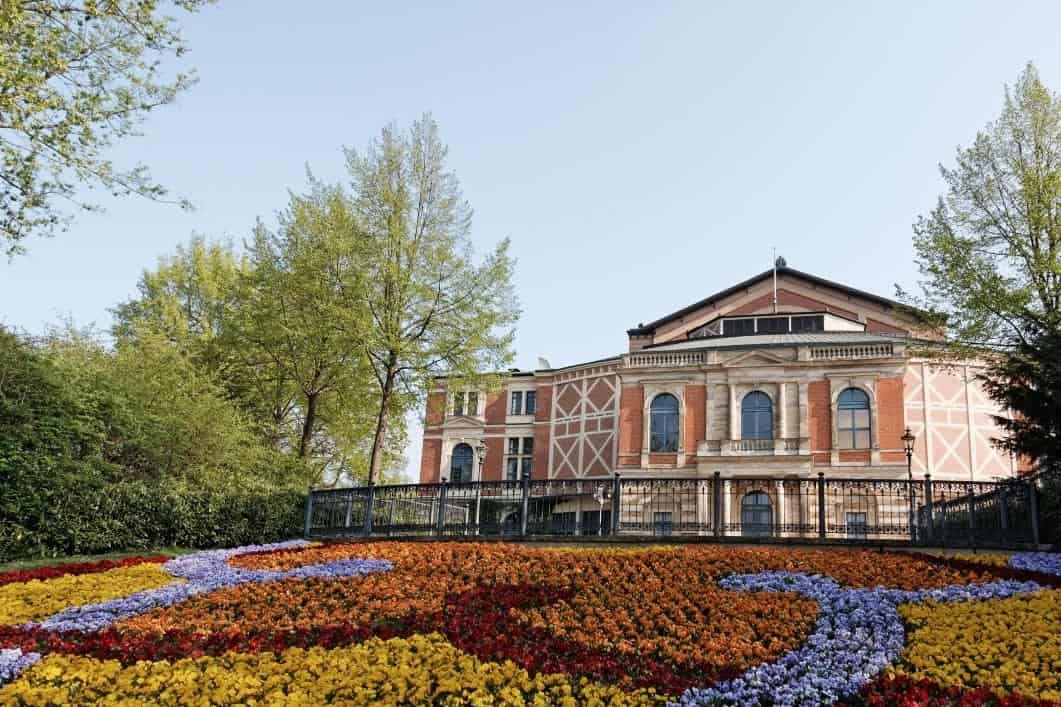
Once in Bayreuth, Wagner set about staging his masterpiece. Believing in the 'total work of art', Wagner built his own opera house, the Festspielhaus (or 'festival theatre'), to be the perfect complement to his masterpiece. The Ring Cycle was debuted in August 1876, at the first Bayreuth Festival, which brought admirers from around Germany and Europe.
Though the festival is now recalled as a pivotal moment, it left Wagner dissatisfied and deeply in debt. He moved to Italy for his health, returning only in the last few months of his life in 1882 to stage another festival.
Wagner has been a controversial figure, both within his lifetime and afterwards. The deep introspection of his work inspired modernist writers and artists, including Charles Baudelaire, Marcel Proust, and James Joyce, and his work on dreams is said to prefigure Sigmund Freud's psychoanalysis. At the same time, Wagner has attracted criticism for his antisemitic views, compounded by the fact that Adolf Hitler was a huge fan of his work.
Even today, Wagner inspires a passionate following like no other composer. For Wagnerians, the Bayreuth Festival - which lives on under the direction of his great-granddaughters - is a place of pilgrimage, an opportunity to see his great works as he himself designed them.
The 2020 'Wagner in Leipzig' festival is the first opportunity in forty years to see Wagner's great works performed in the city of his birth.
In addition to the concerts in Vienna, our tour takes in several places closely associated with Wagner:
Leipzig was Wagner’s birthplace and the city where his early musical aspirations took root. Known for its influential conservatory and vibrant musical community, Leipzig is where Wagner’s musical education began and where he nurtured the talents that would later produce his grand operas. The venues and sites around the city is where Wagner first encountered orchestral music, laying the foundation for his visionary compositions.
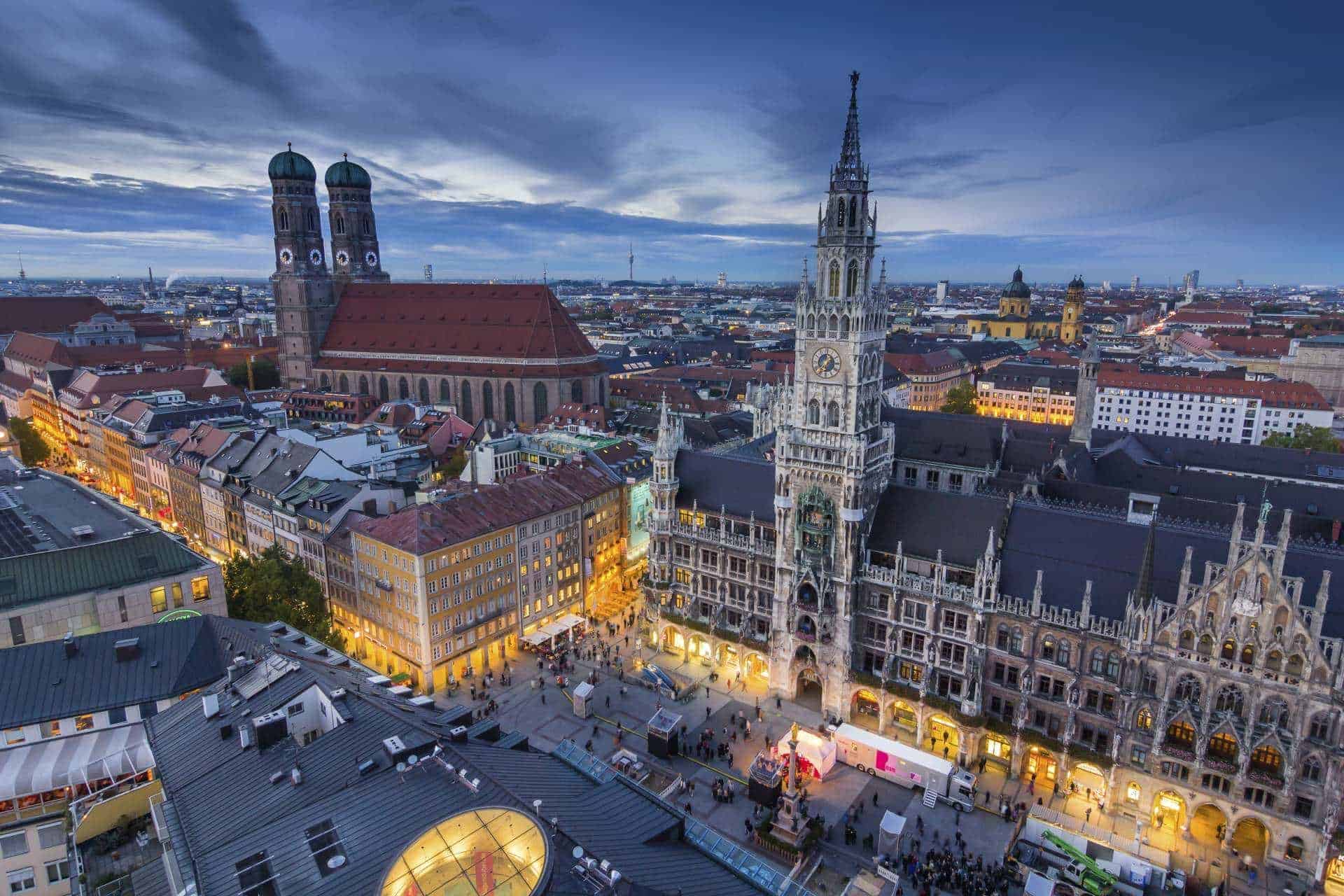
As we explore Munich, we will hear stories of Wagner’s friendship with King Ludwig II. Without Ludwig’s consistent financial support, it is unknown whether many of Wagner’s works would ever have been produced. It was here in Munich at the National Theatre that Wagner’s Tristan and Isolde was finally performed, after years of the composer’s toil, and frustrating dismissals. This opera gained a reputation as being “impossible to sing”, but finally overcame this here, thanks to the King’s unending devotion.
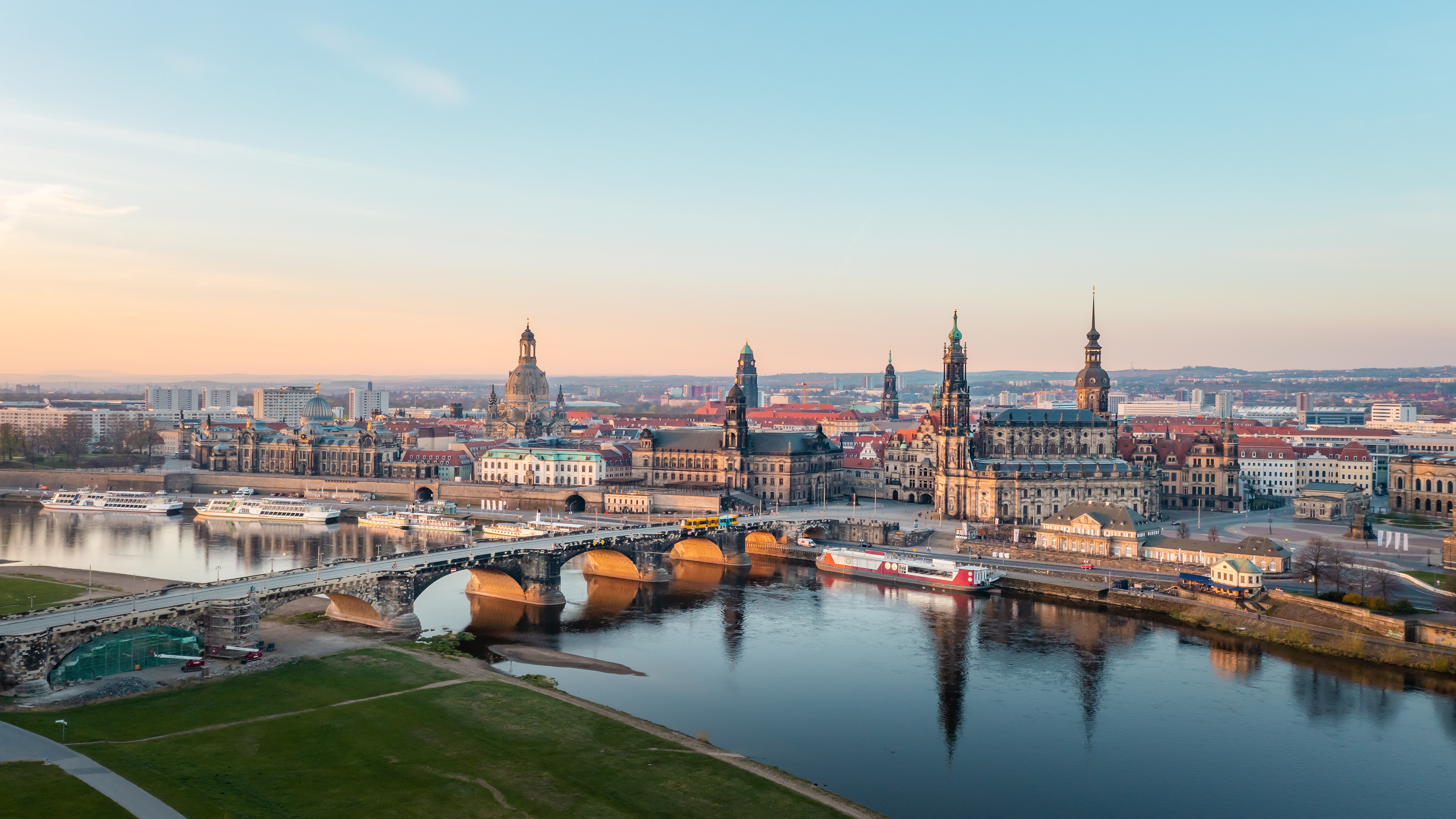
Following the untimely death of his father when Wagner was just 6 months old, he would move with his family to Dresden, to the residence of stepfather Ludwig Geyer. It was here that Wagner’s love of theatre and music took flight.
Bayreuth is the location of Festspielhaus (Festival Theatre), constructed especially for the performance of Wagner’s operas – the inaugural Bayreuth Festival devoted to the premier of his Ring Cycle.
As you tour Germany, you will have the chance to stroll through remarkable locations and see them through the eyes of Wagner and other talented composers. We will also visit the Walhalla Memorial, a hall of fame that includes important artists, composers, and other German cultural icons. This travel experience offers beautiful cities, a symphony orchestra, and breathtaking scenery.
The schedule for 2026 have not yet been released. Tour dates will be adjusted accordingly.
Due to the special nature of this tour, we have limited the group size to 12 participants.
For more details, click the ‘Top 5’ or ‘Itinerary’ buttons above! If you’re keen to experience this tour, please call or send an email. Or, to book, simply fill in the form on the right hand side of this page.
You can learn more about Austria and Germany with our country profiles and see all other departures as well. You can also browse other other performing arts and musical tours Odyssey offers.
These articles are published by Odyssey Traveller or are carefully selected external sources to maximise the knowledge and enjoyment of this tour for senior travellers:
Leipzig, encircled by a ring of parks and gardens, the city is a major industrial centre and buzzing with life. It has long been regarded as a major intellectual and cultural centre, known since the…

Munich, Germany Munich, capital of Bavaria, lies on the elevated plains north of the edge of the Bavarian Alps. The city of Munich is the third largest city in Germany after Berlin and Hamburg. It…

Escorted small group tours for mature and senior travellers to Germany. Designed for couples and solo travellers who like to explore and enjoy learning as they travel to Berlin, Gothic Germany, Munich or the Black forest and beyond.

Dresden, Germany Dresden is the capital of the German state of Saxony, and the third largest city in eastern Germany after Berlin and Leipzig. It lies in the basin of the Elbe River between Meissen…

Bayreuth, Germany Bayreuth is located on the Red Main river in Northern Bavaria. The pretty, mid-sized town is world famous for the Bayreuth Festival, and for its affiliation with the German composer Richard Wagner. The…

Walhalla Memorial, Germany The Neoclassical Walhalla Memorial, reminiscent of the Parthenon and reaching for the grandeur of the mythological Norse Valhalla after which it was named, is located high above the Danube River, east of…









For centuries Malta, Sicily, Sardinia and Corsica held the key to the Mediterranean. We explore ’s the Mediterranean natural beauty, its ancient Roman, and Imperial heritage, its World Heritage Sites, and world famous cities, all with some truly spectacular scenery along the way. This and more is all waiting to be explored on one of Odyssey’s small group tours of the Islands of Mediterranean, designed for the senior traveller, and led by experienced, and enthusiastic like-minded people. This escorted tour of western Mediterranean explores the geography, history, culture and peoples of these 4 islands.
This small group escorted tour explores the magnificent landscapes of Carpathian mountains in Romania, and takes in the vibrant culture and rich heritage of Romanian village life. Travel with like minded people, mature couples or solo travellers.
Taken as a whole, Italian Civilization (which includes, of course, the splendid inheritance of Ancient Rome) is absolutely foundational to Western culture. Music, Painting, Sculpture, Architecture, Literature, Philosophy, Law and Politics all derive from Italy or were adapted and transformed through the medium of Italy.